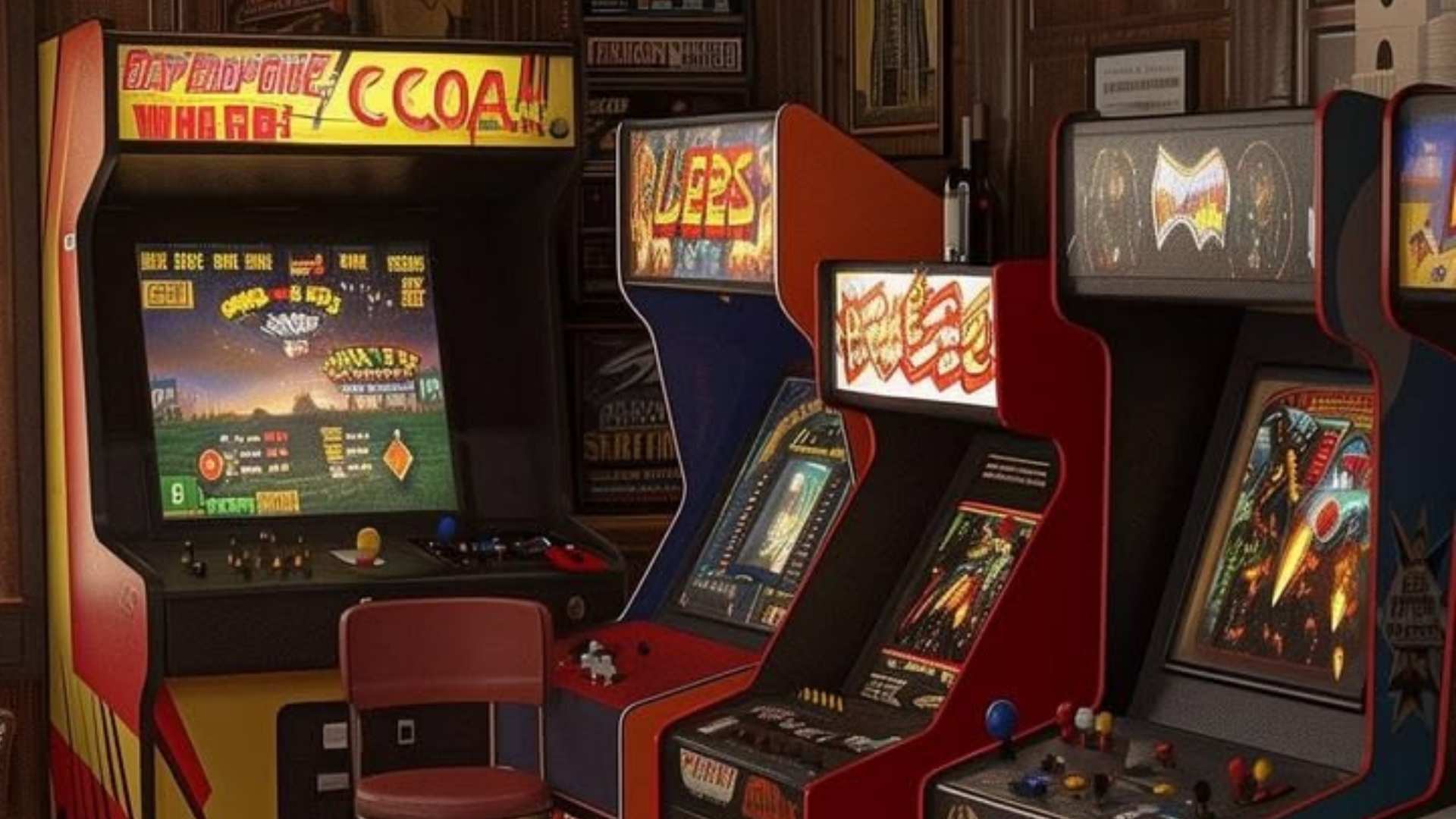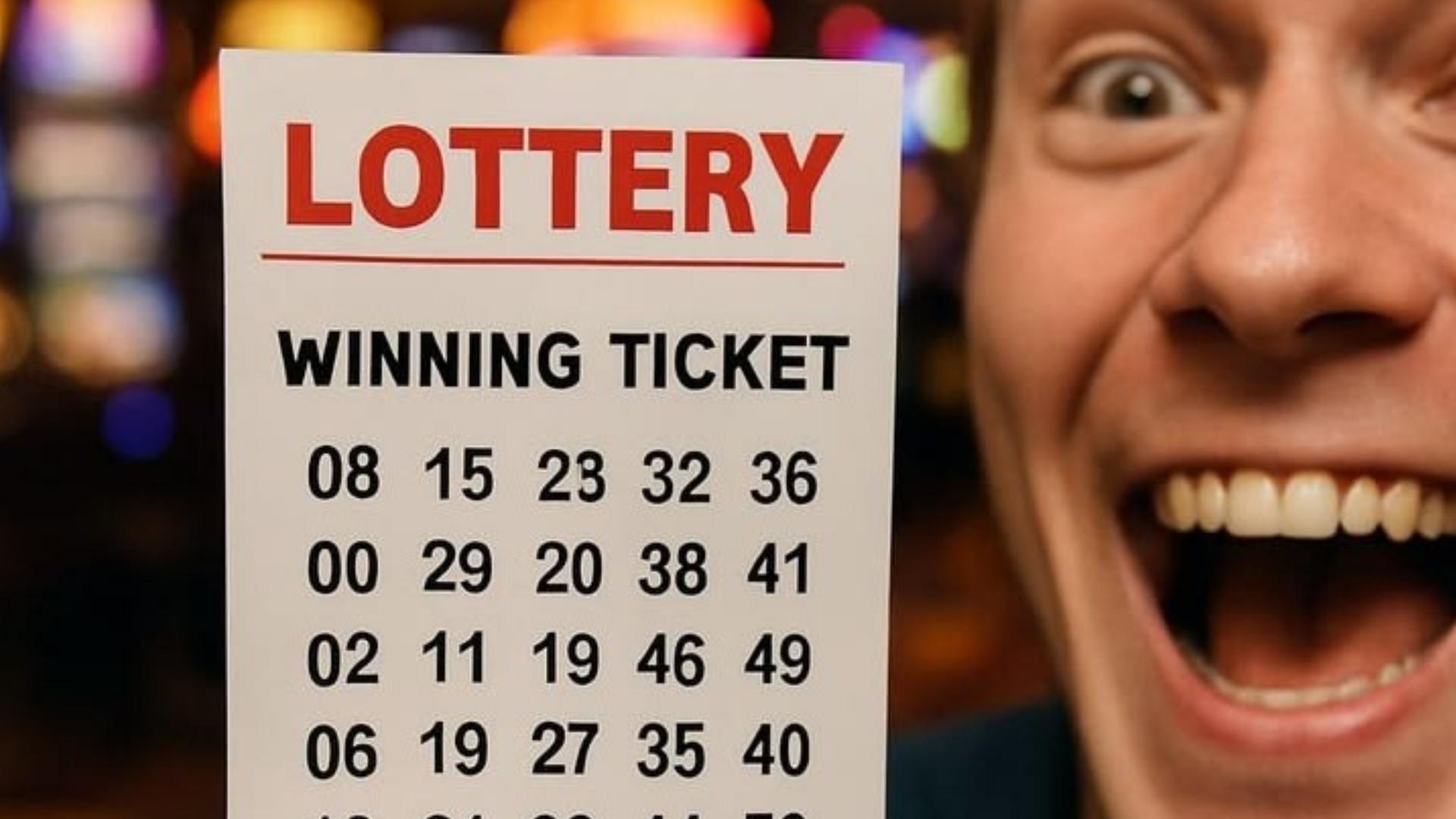
Modern game development relies heavily on balancing player satisfaction with sophisticated long-term retention strategies. While structured progression systems give players a clear path forward, integrating unpredictable reward elements adds an extra layer of excitement. Achieving the right equilibrium between these two distinct approaches determines whether a virtual experience remains engaging or becomes tedious over time.
The Psychological Appeal of Random Drops
Unpredictable rewards trigger a distinct psychological response that fuels sustained engagement across various digital environments. The thrill of anticipation often outweighs the value of the actual prize, keeping participants motivated to pursue new milestones. This psychological drive helps maintain active communities by constantly introducing fresh elements of surprise into the daily loop.
When interactive mechanics rely entirely on predictable outcomes, the core experience can quickly lose its psychological appeal. Introducing well-designed elements of chance ensures that achievements feel uniquely satisfying and dynamic for different player personas. Gamers who wish to explore diverse forms of entertainment can visit M88 togel to experience the thrill of unpredictable outcomes firsthand.
Integrating Randomness Into Structural Progression
To create a truly meaningful gameplay journey, developers must carefully connect randomized drops to long-term structural milestones. Players need to feel that their dedication is respected, even when the immediate outcome relies on mathematical chance. By implementing safety nets like bad luck protection, designers ensure that continuous play eventually yields desired rewards.
A hybrid system that combines fixed achievements with unpredictable bonuses provides a highly balanced experience for the community. Casual gamers can enjoy consistent and visible progress while dedicated individuals appreciate the rare items scattered throughout the world. This structural framework successfully encourages thorough exploration and deepens the overall interaction with the virtual environment.
Maintaining Fairness in Virtual Economies
Transparency is absolutely essential when managing unpredictable distribution systems within competitive digital spaces. When players fully understand the underlying probabilities, they can make informed choices about how they invest their time. Disclosing drop rates builds solid trust between the community and developers, significantly reducing frustration during extended gaming sessions.
Furthermore, random systems should never completely overshadow skill-based progression or strategic tactical decision-making. High-tier rewards are most satisfying when they amplify a player's active accomplishments rather than replacing them entirely. A fair distribution model ensures a level playing field where everyone has a genuine opportunity to succeed.
The Evolving Future of Interactive Rewards
As interactive technology continues to advance rapidly, the design of dynamic incentive structures will become increasingly sophisticated. Future systems may adapt dynamically to individual playstyles, offering highly customized challenges that yield tailored surprises. This level of modern personalization will redefine how platforms maintain long-term user habits and engagement trends.
Ultimately, random rewards succeed when they enhance the core journey rather than serving as a superficial distraction. Balancing unpredictable excitement with structured advancement remains a central goal for contemporary digital designers. Embracing this combination creates memorable experiences that will continue to captivate audiences for years to come.