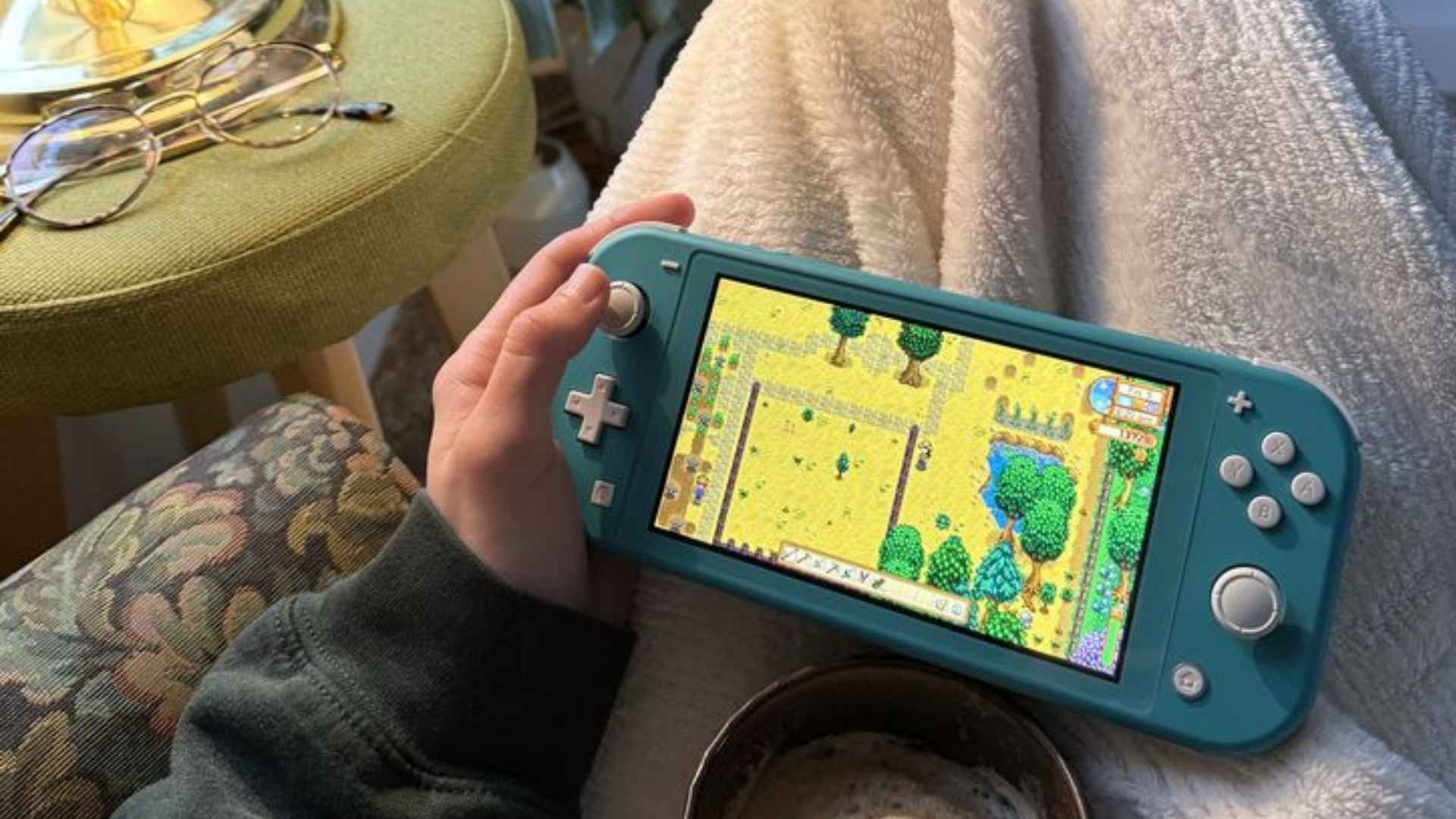
The Steam Deck has revolutionized portable gaming by allowing players to take their sprawling PC libraries on the go. However, the seamless transition between a desktop computer and the handheld device heavily relies on a functioning cloud storage system. Encountering a situation where your progress fails to sync can cause substantial frustration, potentially resulting in lost gameplay hours or mismatched save files across your platforms.
Understanding the Root Causes of Sync Failures
Before diving into various technical remedies, it is important to understand why your portable console might refuse to update its files. Most synchronization errors stem from sudden network drops, outdated system configurations, or conflicts within the local data cache. Identifying these underlying issues early allows you to choose the most efficient path toward restoring your seamless cross-play features.
Additionally, hardware power transitions can occasionally interrupt background transfers before they successfully finish uploading to Valve servers. When the device enters sleep mode abruptly during a gaming session, the system might fail to properly finalize its online storage tasks. Recognizing these behaviors helps users cultivate better saving habits that prevent data corruption over time.
Verifying Network Integrity and Server Status
A stable internet connection is the foundation of any cloud-based service, making network troubleshooting your essential first step. You should routinely check if your local wireless router is experiencing bandwidth limitations or signal interference. Testing your device with a different network, such as a mobile hotspot, can help isolate local hardware malfunctions quickly.
If your local internet appears completely stable, the problem might reside on the developer side instead. Visiting official server monitoring platforms confirms whether Valve is currently undergoing scheduled maintenance or experiencing widespread outages. When global servers face high traffic volumes, waiting out the disruption is often the best course of action.
Clearing the Internal Cache and Toggling Settings
Accumulated temporary data within the gaming client can become corrupted, directly blocking new files from overwriting old ones. You can easily navigate to your system settings menu to reset application configurations without impacting your actual library installations. Refreshing these core directories often eliminates the deep-seated software bugs that prevent automated background transfers.
Another highly reliable troubleshooting method involves temporarily turning off the online storage option entirely. You can disable the cloud feature in the game properties menu, launch the title locally for a minute to establish a fresh save state, and then re-enable the setting. This forced manual reset compels the system to overwrite conflicting files and synchronize your current progress correctly.
Managing Dynamic Cloud Features and System Updates
Valve frequently introduces crucial software optimizations through regular SteamOS updates that resolve known compatibility bugs. Running outdated operating system versions can create communication barriers between your handheld console and modern desktop clients. Ensuring your system remains fully updated minimizes runtime anomalies and ensures peak performance across all features.
Finally, players should remain aware of how specialized compatibility layers like Proton affect file structures. Certain games utilize distinct data formats depending on whether they run on Linux environments or standard Windows systems. Keeping your compatibility settings consistent across all hardware variants helps maintain seamless data transmissions without structural errors.