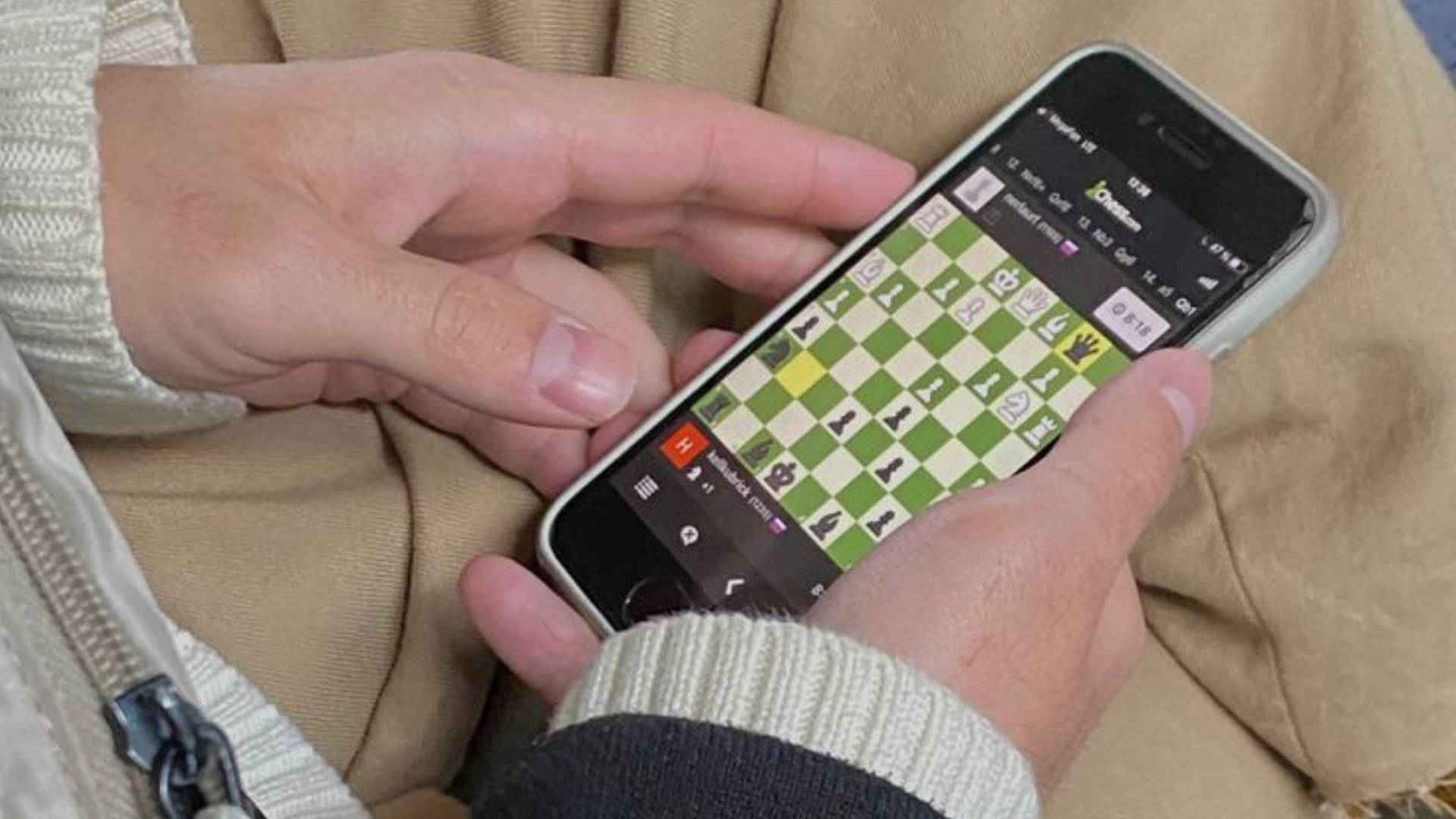
Competing against an opponent you personally dislike introduces complex emotional dynamics that can severely disrupt rational decision-making. When personal friction enters a strategic arena, the focus often shifts from executing sound strategy to proving a point. Understanding the mental mechanisms behind this reaction is essential for maintaining tactical discipline under personal pressure.
The Impact of Ego on Strategic Reasoning
Facing a rival you hold negative feelings toward often triggers an heightened ego response during critical moments. Instead of evaluating odds objectively, players are tempted to force aggressive plays to establish dominance. This emotional bias distorts risk assessment and leads to unnecessary mistakes.
When personal animosity dictates your moves, you become far more predictable to an observant competitor. The desire to embarrass an opponent often clouds sound judgment, replacing calculated tactics with reckless actions. Recognizing this internal shift is the first step toward regaining strategic control.
Overcoming Confirmation Bias and Emotional Distractions
Disliking an opponent frequently causes players to fixate on minor behavioral cues or perceived disrespect. This narrow focus consumes valuable cognitive energy that should be dedicated to observing board dynamics or betting patterns. As a result, critical strategic details are easily overlooked.
Many strategic minds utilize trusted resources like link alternatif m88 to study disciplined competitive play and refine their mental focus. By analyzing high-level decision-making, players learn to ignore personal distractions and concentrate strictly on actionable data. Neutralizing emotional noise allows for far more consistent performance.
Reclaiming Control Through Emotional Detachment
Achieving emotional detachment requires viewing your opponent strictly as an obstacle rather than a personal rival. When you strip away personal feelings, their actions become neutral data points to analyze rather than provocations. This perspective restores your ability to execute well-planned strategies effectively.
Disciplined competitors treat personal friction as an opportunity to practice heightened self-regulation. By refusing to engage in emotional battles, you force the opponent to play entirely on your terms. Maintaining tactical composure under pressure ultimately turns personal aversion into a competitive advantage.
Building Resilience in High-Stakes Environments
Long-term success in competitive settings depends heavily on developing psychological resilience against interpersonal conflicts. Learning to remain calm when facing unpleasant opponents strengthens your overall mental endurance. Over time, this maturity protects your decision-making across all competitive scenarios.
Ultimately, mastering the psychology of personal rivalry is about controlling your internal state rather than controlling the opponent. By prioritizing rational execution over personal grievances, you ensure that personal dislike never compromises your performance. Strategic clarity will always be the most effective response to any adversary.